Why Finding the End Portal Can Be a Frustrating Grind
Every Minecraft player knows the ritual: you gather blaze powder, craft Eyes of Ender, and toss them into the sky. They float in a direction, and you follow. Then you toss another. And another. You dig down, search caves, maybe even use a chunkbase map on a second screen. The process can eat up an entire play session, and sometimes you still end up digging random tunnels hundreds of blocks away from the actual stronghold. The vanilla mechanic is intentionally vague — it gives you a direction, not a location. But what if you could get the exact coordinates of the End Portal with just two throws, using nothing but in-game tools and a bit of math? That’s where the End Portal Calculator datapack changes everything.
How the Datapack Uses Real Triangulation
The End Portal Calculator is not a cheat mod that magically reveals structures. It’s a clever implementation of angle-based triangulation, the same trigonometry you might have dozed through in school. When you throw an Eye of Ender and freeze your crosshair on its center, the datapack records your exact facing angle and position. After moving at least 200 blocks away and repeating the process, it has two lines of sight pointing toward the stronghold. By calculating where those two lines intersect, the datapack pinpoints the End Portal room coordinates with 100% accuracy. No guessing, no wasted time, and no more digging random staircases into the deepslate.
Step-by-Step: How to Use the Calculator
The process is simple and fits naturally into your survival gameplay. You’ll need at least two Eyes of Ender and a willingness to move a short distance. Here’s the exact sequence:
1. Throw and Aim
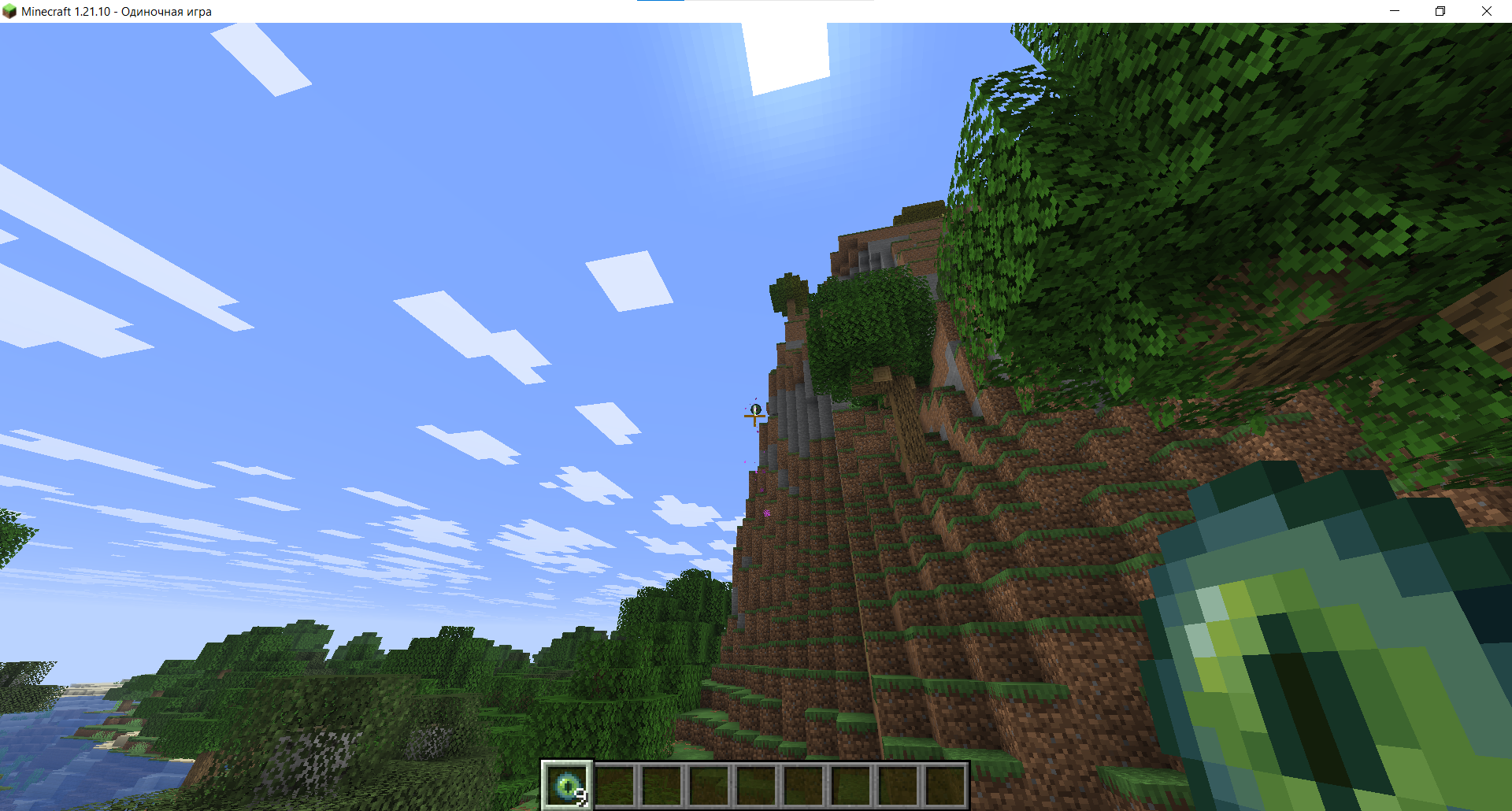
Throw an Eye of Ender as you normally would. While it’s flying, look directly at its center and do not move your mouse. The datapack needs that precise moment to capture your bearing.
2. Trigger the Recording
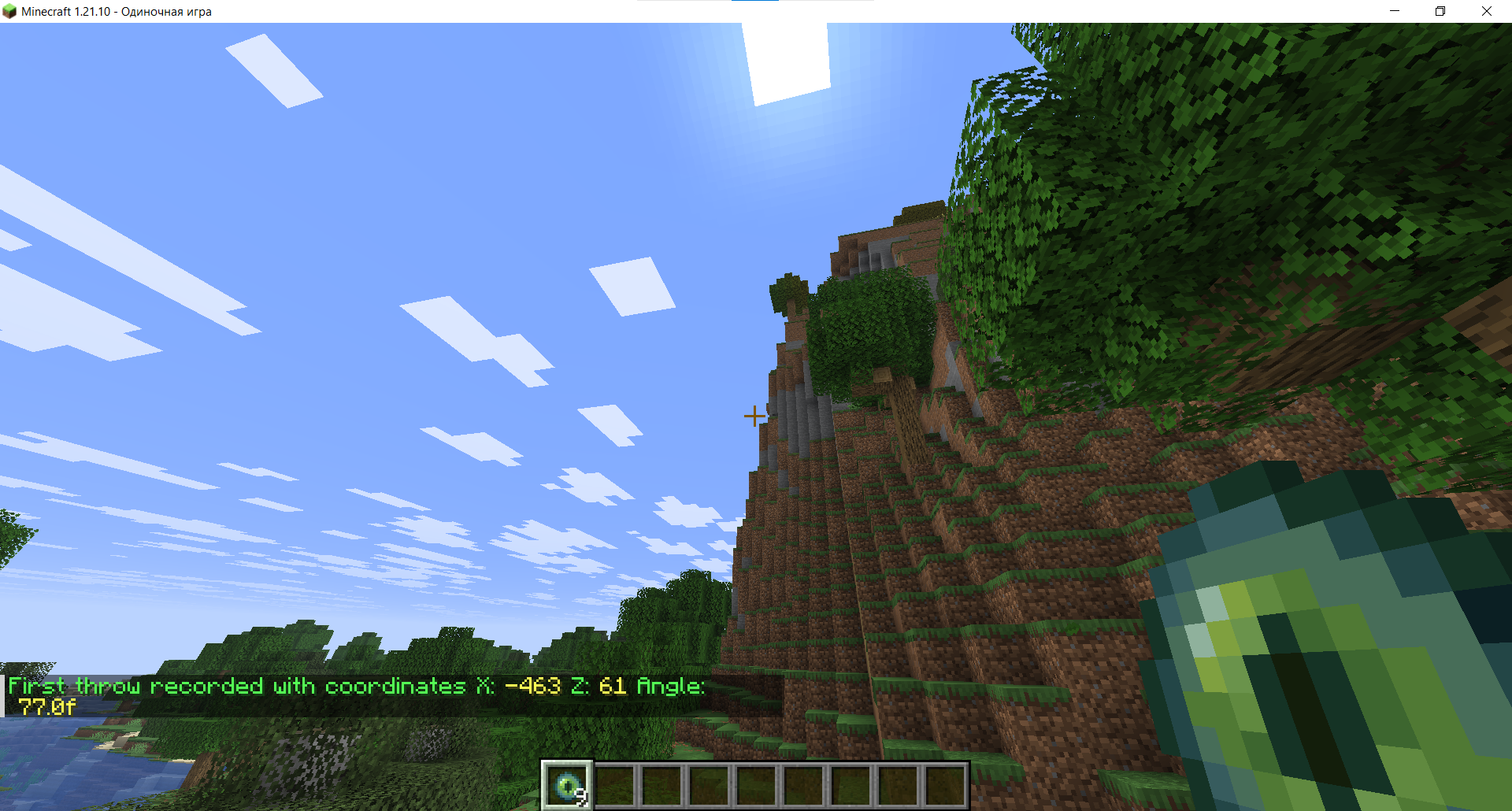
With your crosshair still locked on the eye, type the command /trigger epc.throw in chat. This records your first throw position and angle. You’ll see a confirmation in chat that the data was stored.
3. Relocate and Repeat
Now travel at least 200 blocks in any direction. The greater the distance between your two throws, the more accurate the intersection will be — though 200 blocks is the minimum. Once you’re in a new spot, throw another Eye of Ender, aim at its center, and run the same /trigger epc.throw command again.
4. Read the Coordinates
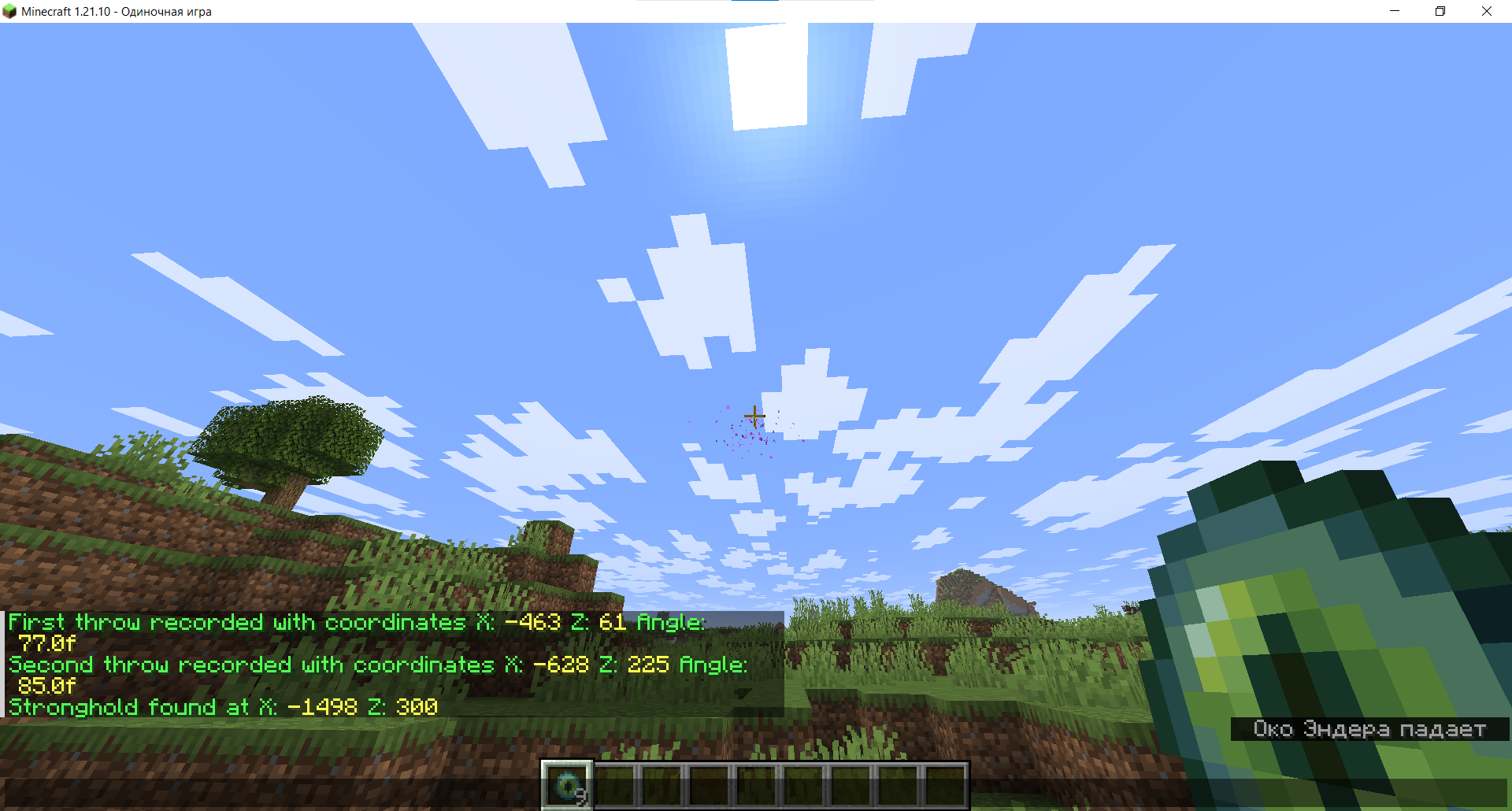
Instantly, the calculated End Portal coordinates will appear in chat. They’ll be in the standard X, Y, Z format. You can click on them (if your chat settings allow) or simply note them down. Head to that location, dig down, and you’ll find yourself right above the portal room.
Why This Beats Traditional Stronghold Hunting
Veteran players might rely on the “two-eye method” manually, measuring angles with F3 and doing math on paper or a separate app. This datapack automates all of that inside the game, preserving the survival feel while removing the tedious calculation. It’s especially valuable on multiplayer servers where the dragon fight is a race, or in hardcore worlds where every minute of caving increases risk. You also avoid the common pitfall of broken Eyes leading you to a stronghold that doesn’t have a portal — with the exact coordinates, you know exactly where to dig and can confirm the room exists before committing resources.
Installing datapacks like this used to require navigating server folders or messing with world files, but modern launchers simplify the process dramatically. For example, if you use a flexible and modern Minecraft launcher such as the foxygame.net launcher, you can download and enable mods or datapacks directly from the menu without ever leaving the game interface. That kind of convenience turns a technical tool into a seamless part of your adventure.
Technical Details and Compatibility
The datapack works in Minecraft Java Edition 1.16 and above, and it does not require any mods or resource packs. It functions purely through commands and scoreboard math, so it’s vanilla-friendly and won’t interfere with other datapacks or server plugins. The trigonometry behind it assumes the stronghold generates in the standard ring pattern (between 640 and 1152 blocks from spawn), which covers all default worlds. Custom terrain or amplified worlds may shift stronghold placement, but the triangulation remains mathematically sound regardless of world type.
One thing to note: the datapack calculates the portal room, not the stronghold staircase entrance. So when you reach the coordinates, you’ll be directly above the portal frame. Dig straight down (carefully, as always) and you’ll land right next to the silverfish spawner and lava pool. It’s a small but important distinction that saves you from navigating the stronghold’s winding corridors.
Tips for Perfect Results
- Always stand still when throwing the Eye and when triggering the command. Any movement during the recording skews the angle.
- Make sure you are aiming at the exact center of the floating Eye particle. The hitbox is small, so take your time.
- If the Eye breaks before you can trigger the command, just throw another one from the same spot. The position is what matters, not the specific Eye.
- For maximum precision, move more than 200 blocks. A 300-400 block gap creates a sharper intersection angle and reduces any minor aiming error.
- In multiplayer, only the player who throws the Eye and runs the command gets the coordinates, so each player must do their own recording.
Conclusion: Smarter Stronghold Hunting Without Cheating
The End Portal Calculator datapack respects the core Minecraft experience by turning a random, time-consuming search into a clever application of real-world geometry. You still need to gather blaze rods, craft Eyes, and physically travel to the stronghold — the datapack simply removes the blind guesswork. Whether you’re a speedrunner looking to shave minutes off your time, a builder who wants to claim a stronghold for a base, or a casual player tired of digging empty holes, this tool delivers consistent, frustration-free results. Next time you’re ready to face the dragon, let a little trigonometry do the heavy lifting.