Автоматическая ферма кактусов в Minecraft: 5000 штук в час без лишних усилий
Кактус — один из самых недооценённых ресурсов в Minecraft. Из него получается зелёный краситель, его можно переплавить в блоки для строительства, а в некоторых модах он и вовсе становится топливом или компонентом сложных механизмов. Но ручной сбор кактусов — занятие утомительное и медленное. К счастью, умные инженеры кубического мира давно придумали, как полностью автоматизировать этот процесс. Сегодня мы разберём простую, но невероятно эффективную AFK-ферму кактусов, которая выдаёт до 5000 единиц в час, и при этом не требует вашего постоянного присутствия.
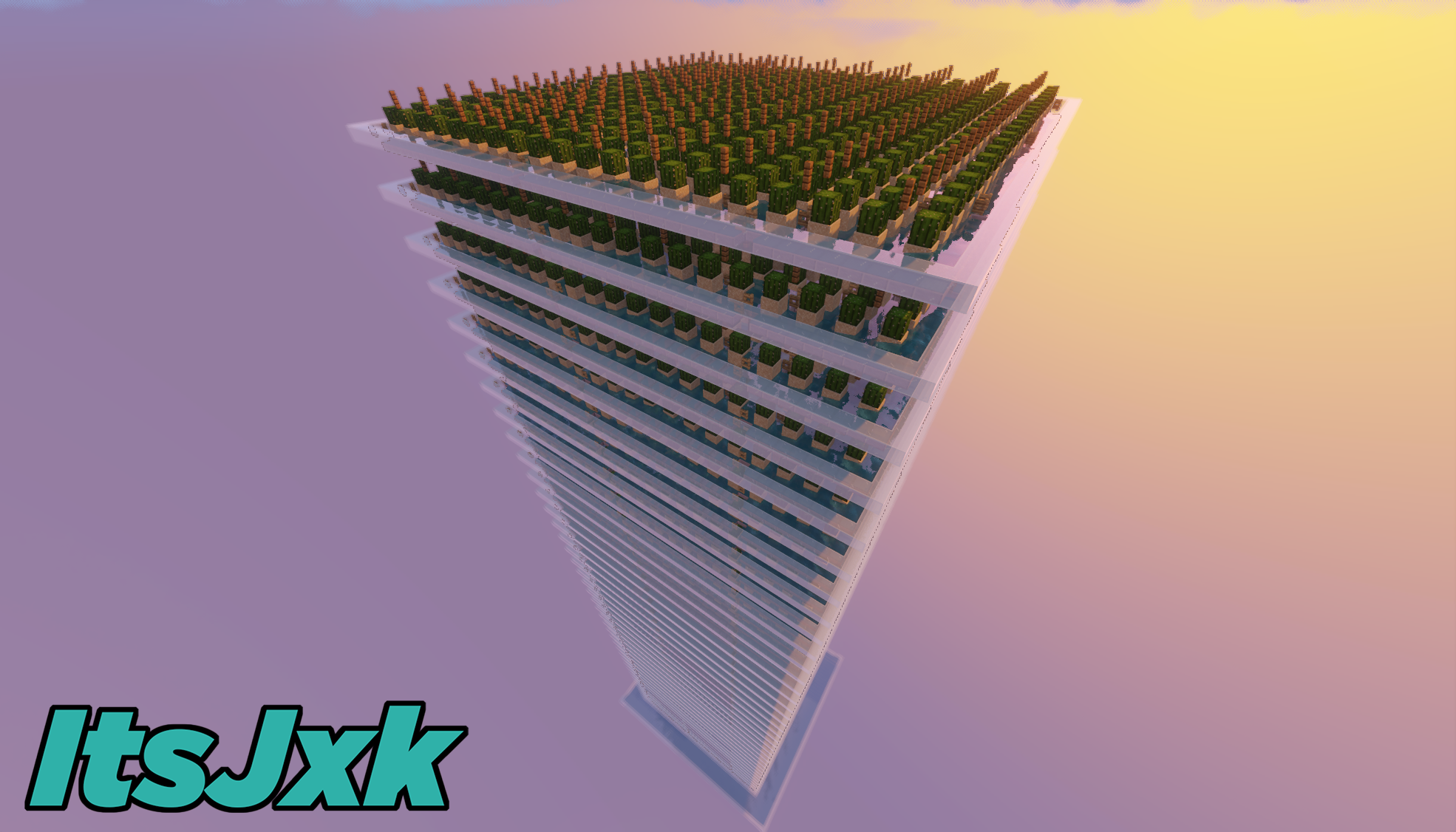
Почему именно эта конструкция?
Существуют десятки схем кактусовых ферм, но большинство из них либо слишком громоздкие, либо страдают от потери предметов. Данная модель решает эти проблемы за счёт продуманного расположения поршней, воды и воронок. Механизм работает по принципу мгновенного сбора: как только кактус вырастает до нужной высоты, соседний блок активирует поршень, который срезает верхнюю часть растения. Упавший предмет подхватывается водяным потоком и отправляется в систему хранения. Всё это происходит без участия игрока — достаточно просто стоять неподалёку в режиме AFK.
Интересно, что конструкция использует естественную механику роста кактусов: они не могут находиться рядом с твёрдыми блоками, поэтому поршни и песок расставлены так, чтобы не мешать появлению новых сегментов. Благодаря компактной схеме ферму легко вписать даже в небольшой подвал базы, а масштабирование позволит увеличить производительность в разы, если потребуется больше зелёного красителя для масштабных проектов.
Что понадобится для постройки
Перед началом строительства убедитесь, что у вас есть все необходимые материалы. Список не слишком обширный, и большинство ресурсов добывается в первые часы игры:
- Песок — 64 блока (основа для посадки кактусов)
- Кактусы — 64 штуки (исходный посадочный материал)
- Поршни — 32 штуки (механизм срезания)
- Воронки — 16 штук (сбор предметов)
- Сундуки — 4 штуки (хранение урожая)
- Вёдра воды — 4 штуки (транспортировка предметов)
- Красная пыль — 32 единицы (подключение поршней)
- Наблюдатели — 16 штук (детекция роста)
- Стекло или любой прозрачный блок — 32 штуки (для предотвращения застревания предметов)
Также пригодятся строительные блоки для каркаса — булыжник или камень отлично подойдут. Все компоненты доступны в выживании без сложных ферм, а наблюдатели крафтятся из булыжника, красной пыли и кварца Нижнего мира.
Пошаговая сборка фермы
Шаг 1: Подготовка площадки
Выберите ровный участок размером 9x9 блоков. Можно строить на любой высоте, но удобнее всего разместить ферму на уровне земли, чтобы воронки и сундуки оказались под ногами. Выкопайте траншею глубиной в один блок по центру — здесь пройдёт водяной канал, который понесёт срезанные кактусы к сборщику.
Шаг 2: Установка системы сбора
В конце траншеи поставьте двойной сундук, а за ним — цепочку из воронок, ведущую от места падения предметов к хранилищу. Важно направить воронки точно в сундук, иначе урожай будет теряться. Сверху над воронками разместите песок — именно на нём будут расти кактусы. Песок должен находиться строго над воронками, чтобы срезанный блок падал прямо в приёмную воронку.
Шаг 3: Расстановка поршней и наблюдателей
Вокруг каждого посадочного места установите поршни, направленные на будущий кактус. Над поршнями или сбоку прикрепите наблюдатели «лицом» к растению. Как только кактус вырастет на один блок выше, наблюдатель подаст сигнал, поршень сработает и срежет верхушку. Чтобы цепь не зацикливалась, используйте красную пыль с повторителями — настройте задержку в 2 тика, тогда механизм будет срабатывать чётко и без сбоев.
Шаг 4: Водяной поток и защита от потерь
Залейте воду в начало траншеи так, чтобы течение доходило до воронок. Теперь любой упавший предмет поплывёт к сборщику. Чтобы кактусы не застревали на краях, обнесите канал стеклянными панелями или любыми прозрачными блоками — это классический приём, предотвращающий потерю добычи. После этого останется только посадить кактусы на песок и запустить систему.
Если вы не хотите возиться с постройкой вручную, к моду прилагается готовая схема. Скачав её, можно импортировать конструкцию через специальные моды вроде Litematica. Кстати, установить всё необходимое и загрузить схему прямо в игру можно через лаунчер foxygame.net — это современный инструмент, где моды и сборки доступны буквально в пару кликов, а гибкие настройки позволяют моментально переключаться между версиями Minecraft.
Почему ферма выдаёт именно 5000 кактусов в час?
Секрет такой производительности — в количестве посадочных мест и скорости срабатывания поршней. В базовой версии используется 16 растений, каждое из которых даёт примерно 300–350 единиц в час при непрерывной работе. Суммарно это и выливается в заветные 5000. Если заменить часть песка на дёрн и добавить ещё несколько рядов, производительность легко поднять до 10 000, но тогда потребуется больше наблюдателей и поршней. Важно помнить, что AFK-ферма работает только когда игрок находится в радиусе загрузки чанков, поэтому для максимальной эффективности оставляйте персонажа рядом на ночь.
Механика роста кактусов в Minecraft подчиняется случайным тикам, поэтому фактическая цифра может немного колебаться. Однако тесты показывают, что даже с учётом погрешности ферма стабильно выдаёт не менее 4800 кактусов за час реального времени. Этого с лихвой хватит для создания сотен зелёных блоков или для автоматической торговли с жителями-фермерами, которые обменивают кактусы на изумруды.
Советы по улучшению и эксплуатации
- Освещение: Поставьте факелы или фонари вокруг фермы, чтобы в тёмное время суток не появлялись враждебные мобы. Криперы могут разрушить механизмы, поэтому безопасность — превыше всего.
- Масштабирование: Конструкция легко расширяется в длину. Просто добавьте новые ряды песка, поршней и наблюдателей, соединив водяные каналы с общей системой сбора.
- Резервное хранилище: Если урожай идёт слишком быстро, сундуки могут переполниться. Подключите дополнительные ёмкости через воронки или используйте выбрасыватель для автоматической утилизации излишков.
- AFK-безопасность: Оградите площадку забором или постройте небольшую стеклянную кабину, чтобы случайный фантом не сбросил вас в кактусы.
Заключение
Автоматическая ферма кактусов с производительностью 5000 штук в час — это идеальное решение для тех, кто ценит время и ресурсы. Простая в постройке, она не требует редких материалов и начинает окупаться буквально через полчаса после запуска. Готовая схема избавляет от необходимости запоминать каждый блок, а интеграция с современными лаунчерами делает установку модов и схем элементарной. Попробуйте построить такую ферму в своём мире — и вы навсегда забудете о нехватке зелёного красителя, а заодно получите надёжный источник дохода при торговле с жителями.